
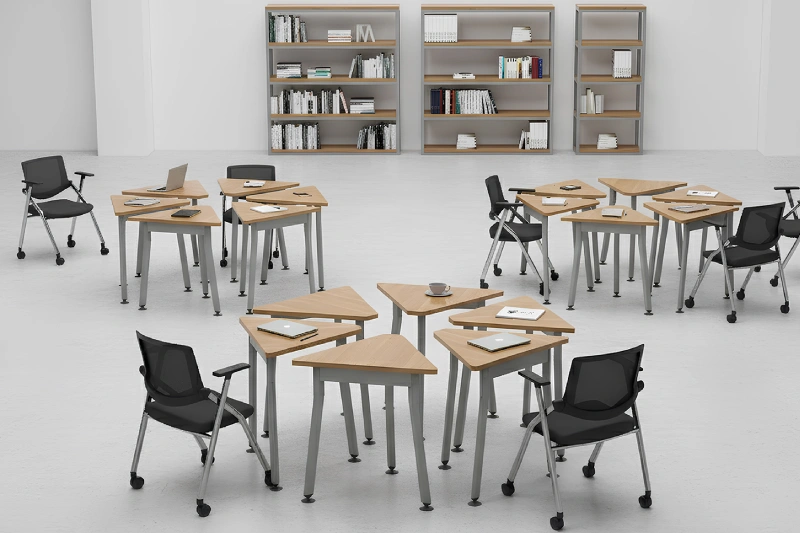
Introduction
Libraries have always been considered the foundation of learning and knowledge. In schools, colleges, universities, and other educational institutions, libraries provide students and educators with access to valuable resources that support academic growth. However, the role of libraries has changed significantly in recent years. Modern libraries are no longer just spaces filled with books; they have become dynamic learning environments that support reading, research, collaboration, digital learning, and independent study.
As libraries evolve, the need for smart and functional library furniture has become increasingly important. The right furniture helps create a comfortable, organized, and productive atmosphere where users can focus, learn, and interact effectively. From durable library tables and spacious book racks to ergonomic reading room furniture, every element contributes to the overall success of an institutional library setup.
The Evolution of Modern Libraries
Traditional libraries were primarily designed to store books and provide quiet reading areas. Today’s libraries, however, serve multiple purposes. Students use libraries for research projects, group discussions, online learning, exam preparation, and accessing digital resources. Faculty members rely on libraries for academic references and research materials, while institutions view libraries as an important part of the learning infrastructure.
Because of these changing demands, libraries require furniture solutions that are flexible, durable, and designed to support various learning activities. Smart library furniture allows institutions to maximize available space while ensuring comfort and accessibility for all users.
Why Library Furniture Is Essential for Learning Environments
Many educational institutions invest heavily in books, technology, and infrastructure, but furniture is often overlooked. In reality, furniture directly impacts how efficiently a library functions and how comfortable users feel while utilizing the space.
Well-designed library furniture helps:
Improve user comfort during long study sessions, create an organized and clutter-free environment, encourage students to spend more time reading and researching, optimize space utilization within the library, Support individual and collaborative learning activities, Enhance the overall appearance of the institution.
A thoughtfully furnished library creates a welcoming atmosphere that motivates students to engage with educational resources more effectively.
Library Tables: Supporting Productive Study Sessions
One of the most important components of any library is the library table. These tables serve as dedicated workspaces where students can read, write, research, and collaborate.
Modern library tables are designed to accommodate a variety of activities while maintaining comfort and durability. Whether used for individual study or group projects, quality tables provide the stability and functionality required in educational settings.
Benefits of Modern Library Tables
Comfortable Learning Experience
Students often spend hours studying in libraries. Spacious and ergonomically designed tables provide sufficient room for books, notebooks, laptops, and other learning materials, allowing users to work comfortably.
Enhanced Focus and Productivity
A well-designed study environment minimizes distractions and encourages concentration. Dedicated workspaces help students remain focused on their academic tasks.
Support for Collaborative Learning
Many libraries now include collaborative learning zones. Large library tables facilitate group discussions, project work, and peer learning activities.
Long-Term Durability
Educational institutions require furniture that can withstand heavy daily usage. High-quality library tables are built to deliver long-lasting performance while maintaining their appearance.
Book Racks: Organizing Knowledge Efficiently
Books remain a vital part of any educational library. Without proper storage systems, managing large collections can become challenging. This is where smart book racks play a critical role.
Book racks help libraries maintain order while ensuring that resources remain easily accessible to students and staff.
Advantages of Quality Book Racks
Better Organization
Categorized and well-arranged racks make it easier for users to locate books quickly, improving the overall library experience.
Space Optimization
Modern rack designs maximize storage capacity while occupying minimal floor space. This helps institutions accommodate growing collections without overcrowding the library.
Easy Accessibility
Students can browse and retrieve books more efficiently when resources are displayed in an organized manner.
Professional Appearance
Neat and structured book storage contributes to a cleaner, more attractive library environment.
Protection of Learning Resources
Strong and durable racks help preserve books and educational materials by providing safe and reliable storage.
Reading Room Furniture: Creating Comfortable Study Areas
A library should encourage users to spend time reading and learning. Comfortable reading room furniture plays a major role in achieving this objective.
Reading rooms require furniture that promotes proper posture and minimizes physical discomfort during extended study sessions.
Essential Reading Room Furniture Includes:
- Ergonomic chairs
- Reading tables
- Individual study desks
- Reference tables
- Faculty workstations
Benefits of Comfortable Reading Room Furniture
Improved Concentration
When users are comfortable, they can focus better on their studies and research activities.
Better Learning Outcomes
A comfortable environment encourages longer study periods, leading to improved retention and understanding.
Reduced Fatigue
Ergonomic furniture supports proper posture and reduces strain on the body during extended use.
Increased Library Usage
Students are more likely to utilize library facilities regularly when the environment feels inviting and comfortable.
Building an Effective Institutional Library Setup
An efficient institutional library setup requires careful planning and the right combination of furniture solutions. Every component should work together to create a functional and user-friendly learning environment.
Key Elements of a Smart Library Setup
Space Planning
Libraries should provide sufficient room for movement, reading, collaboration, and book storage. Strategic furniture placement helps maximize available space.
Flexible Layouts
Modern educational environments are constantly evolving. Modular furniture allows institutions to adapt library layouts according to changing needs.
Durability and Quality
Educational furniture must withstand continuous usage. Investing in high-quality materials reduces maintenance costs and ensures long-term reliability.
User-Centric Design
Furniture should prioritize comfort, accessibility, and functionality to meet the needs of students, faculty, and library staff.
Aesthetic Appeal
A visually appealing library encourages engagement and creates a positive impression on users.
How Smart Library Furniture Benefits Educational Institutions
The advantages of investing in quality library furniture extend beyond appearance and comfort.
Encourages Active Learning
Students are more likely to engage with educational resources in a well-designed environment.
Improves Resource Management
Organized storage systems simplify cataloguing, maintenance, and retrieval of books.
Maximizes Space Efficiency
Smart furniture designs help institutions make the best use of available floor space.
Supports Modern Teaching Methods
Today’s educational approaches emphasize collaboration, project-based learning, and research. Flexible furniture solutions support these evolving needs.
Enhances Institutional Reputation
A modern, well-equipped library reflects an institution’s commitment to academic excellence and student development.
Choosing the Right Furniture Solutions
When selecting library furniture, institutions should focus on:
- Strong and durable construction
- Ergonomic designs
- Functional storage solutions
- Space-saving configurations
- Easy maintenance
- Customization options
- Long-term value and reliability
Working with experienced institutional furniture providers ensures that libraries receive solutions tailored to their specific requirements.
Conclusion
Modern libraries are evolving into multifunctional learning hubs that support education, research, collaboration, and innovation. To meet these growing demands, institutions must invest in smart library furniture that enhances comfort, organization, and productivity.
From durable library tables and efficient book racks to ergonomic reading room furniture, every component plays a vital role in creating an effective institutional library setup. The right furniture not only improves the library experience but also contributes to better learning outcomes, greater student engagement, and long-term institutional success.
By choosing high-quality, thoughtfully designed furniture solutions, educational institutions can create future-ready libraries that inspire learning, encourage exploration, and support academic excellence for generations to come.
📍 Address: 1st floor, 688, Budhwar peth, Laxmi Chayya Building, Bajirao Rd, Pune, Maharashtra 411002
📞 Contact: +91 8530099024 | +91 9822438290 | +91 9850601038 | +91 7875166624
🌐 Website: www.vardhamantrading.com