
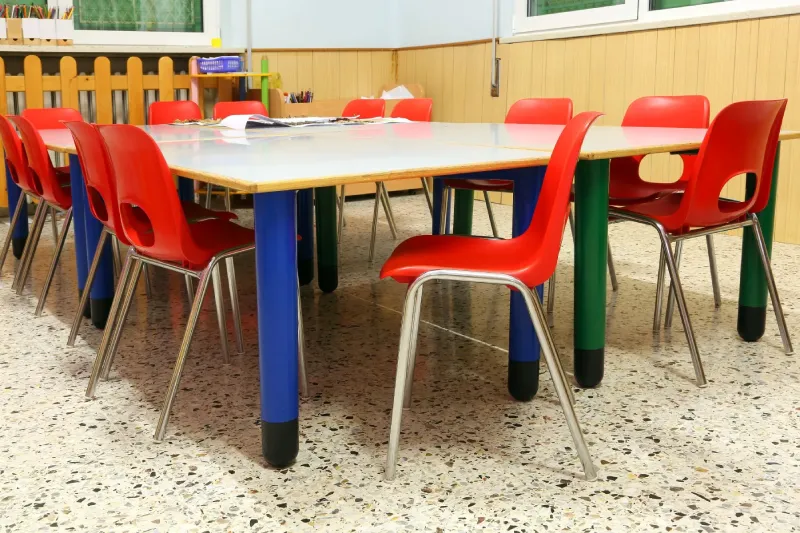
Schools and colleges evolve continuously. Student strength increases, teaching methods change, classrooms require better layouts, and ageing furniture begins to affect comfort, safety, and the overall learning environment. While constructing a new campus may not always be possible, upgrading existing furniture can make a significant difference to how an institution looks, feels, and functions.
For administrators, trustees, principals, and facility managers, a school furniture upgrade is an opportunity to improve classrooms, libraries, laboratories, staff rooms, and common areas without causing major disruption to the academic year. With the right planning, institutions can replace outdated furniture in phases and create modern, practical, and student-friendly spaces.
This practical renovation guide explains how to plan, prioritise, and execute a furniture upgrade for an existing school or college. It also highlights why choosing the right supplier for college furniture in Pune can help institutions achieve better results.
Why Existing Schools Need Furniture Upgrades
Furniture in schools and colleges is used every day by students, teachers, staff, and visitors. Over time, desks become unstable, benches lose their strength, chairs become uncomfortable, storage units wear out, and classroom layouts stop meeting current educational needs.
Replacing old furniture is not only about improving appearance. It is about creating safer, more efficient, and more comfortable learning spaces.
A timely furniture upgrade can help institutions:
- Improve student comfort and posture
- Enhance classroom safety
- Support modern teaching methods
- Make better use of available space
- Improve the visual appeal of the campus
- Reduce ongoing repair and maintenance costs
- Create a more organised environment for teachers and staff
- Build a stronger impression for parents and visitors
Whether it is a school, junior college, coaching institute, training centre, or university department, furniture renovation can improve the day-to-day experience of everyone using the campus.
Signs That It Is Time to Replace Old School Benches
Many institutions continue using old benches and desks because they are still functional at a basic level. However, furniture that appears usable may still create discomfort, safety concerns, and maintenance problems.
Here are some signs that it may be time to consider replacing old school benches and other classroom furniture.
1. Frequent Repairs Are Needed
If benches, desks, chairs, or tables require repeated welding, tightening, repainting, or repair work, replacement may be more cost-effective in the long run. Constant repairs can also disrupt classroom use and create an uneven appearance across the campus.
2. Furniture Is Unstable or Unsafe
Loose joints, damaged edges, broken seats, bent frames, rusted metal parts, and cracked writing surfaces can pose safety risks. Students often move quickly between classes, and unstable furniture can lead to accidents.
3. Students Are Uncomfortable
Furniture that is too small, too large, poorly shaped, or damaged can affect posture and concentration. Students spend long hours sitting in classrooms, so comfort should be a priority.
4. Classroom Layouts Feel Crowded
Older furniture designs may take up unnecessary space or make movement difficult. Replacing bulky benches with better-planned desks and seating can improve circulation and make classrooms feel more spacious.
5. Furniture Does Not Support Current Teaching Needs
Modern classrooms often include group activities, presentations, project work, digital learning, and interactive teaching. Traditional fixed seating may not always support these requirements.
6. The Campus Looks Outdated
The physical environment of a school influences the perception of parents, students, and visitors. Well-maintained, modern furniture creates a positive impression and reflects an institution’s commitment to quality education.
Start With a Furniture Audit
Before purchasing new furniture, conduct a detailed audit of the existing campus. This helps administrators understand what needs immediate replacement, what can be repaired, and what can be upgraded later.
A furniture audit should include classrooms, libraries, laboratories, staff rooms, reception areas, auditoriums, seminar halls, corridors, storage rooms, and activity spaces.
For each area, assess the following:
- Number of existing furniture pieces
- Current condition and expected remaining life
- Safety concerns
- Repair requirements
- Student capacity
- Available floor space
- Furniture dimensions
- User requirements
- Priority level for replacement
A simple room-wise inventory can help the management team create a realistic budget and renovation timeline.
Prioritise High-Impact Areas First
Most institutions cannot replace all furniture at once. A phased approach is often more practical and budget-friendly. Start with spaces that have the greatest impact on student safety, learning, and daily operations.
Classrooms
Classrooms should usually be the first priority because they are used throughout the day. Replacing old school benches, student desks, chairs, teacher tables, and boards can immediately improve the learning experience.
Laboratories
Laboratories require stable and functional furniture for practical learning. Damaged lab tables, stools, storage cabinets, and workstations can affect both safety and teaching quality.
Libraries
Libraries need comfortable reading tables, chairs, book racks, and storage solutions. Upgrading library furniture can create a more inviting environment for reading, research, and self-study.
Staff Rooms and Administrative Offices
Teachers and administrative teams also need practical furniture. Well-designed staff room tables, chairs, storage cabinets, and workstations can improve productivity and organisation.
Auditoriums and Seminar Rooms
If an institution frequently conducts assemblies, events, workshops, and parent meetings, upgrading auditorium seating, podiums, lecterns, and presentation furniture can improve the overall experience.
Plan Renovation Around the Academic Calendar
One of the biggest concerns during a school furniture upgrade is disruption to classes. A renovation plan should be aligned with the academic calendar to avoid affecting teaching schedules.
The best time for major furniture replacement is usually during summer vacations, semester breaks, festival holidays, or planned maintenance periods. However, when upgrades are required during the academic year, institutions can still manage the process effectively with phased execution.
For example, one section of classrooms can be upgraded at a time while students use alternate rooms. Libraries and laboratories can be renovated during low-use periods. Delivery and installation can also be scheduled after school hours or on weekends.
A well-coordinated supplier can help institutions plan deliveries, installation, and room-wise setup in a way that reduces disruption.
Choose Furniture That Fits the Existing Space
Renovating an existing campus is different from furnishing a new building. Existing classrooms may have fixed walls, columns, doors, windows, electrical points, storage areas, and limited movement space.
Before selecting furniture, measure every room carefully. Consider the number of students, the required aisle space, teacher movement, ventilation, natural light, and emergency access.
Furniture should improve the room layout rather than make it feel crowded. Compact desk-and-bench units, modular tables, stackable chairs, and customised storage can help institutions use available space more efficiently.
For schools and colleges with limited classroom space, customised furniture can be especially useful. It allows administrators to choose dimensions, seating capacity, and layouts that suit the existing infrastructure.
Focus on Durability and Easy Maintenance
School and college furniture is used intensively. Students move benches, write on desks, place bags on chairs, and use furniture throughout the day. This makes durability a key requirement.
When selecting classroom renovation furniture, look for strong metal frames, reliable welding, durable boards, quality laminates, sturdy seating, and finishes that are easy to clean.
Furniture should also be easy to maintain. Smooth surfaces, rust-resistant finishes, strong fittings, and replaceable components can reduce long-term maintenance effort.
Choosing low-quality furniture may reduce the initial purchase cost, but it can lead to higher repair and replacement expenses later. Durable furniture offers better value over time.
Consider Ergonomics for Students and Teachers
Ergonomics refers to designing furniture that supports comfort, posture, and efficient use. In educational spaces, ergonomic furniture is important because students spend long periods sitting, writing, reading, and participating in lessons.
Benches and desks should be selected according to the age group of students. Primary school furniture should have different dimensions from senior school or college furniture.
Key ergonomic considerations include:
- Appropriate seat height
- Comfortable back support
- Adequate writing surface
- Proper desk height
- Sufficient legroom
- Smooth and safe edges
- Stable seating structure
Teacher furniture should also be practical and comfortable. Faculty tables, chairs, podiums, and storage units should support daily teaching and administrative tasks.
Upgrade Beyond Classroom Benches
When people think about school furniture renovation, they often focus only on student benches and desks. However, a complete upgrade can include many other areas that contribute to the campus experience.
Consider upgrading:
- Teacher tables and chairs
- Whiteboards and green boards
- Notice boards and display boards
- Library tables and book racks
- Laboratory tables and stools
- Computer lab workstations
- Drawing and drafting tables
- Auditorium chairs
- Podiums and lecterns
- Reception furniture
- Staff room furniture
- Storage cabinets and lockers
- Canteen tables and seating
A coordinated upgrade across key areas can create a consistent and professional look throughout the institution.
Select the Right Design and Finish
Furniture design should match the identity and needs of the institution. A primary school may prefer colourful, child-friendly furniture, while a college may require modern, durable, and professional-looking seating solutions.
The right finish can also improve maintenance and appearance. Laminated tops, powder-coated metal frames, and durable seating materials are commonly preferred for educational environments.
While aesthetics are important, design should never compromise comfort, strength, or usability. The best furniture combines a clean appearance with practical construction.
Work With a Reliable Furniture Supplier
A successful renovation depends on more than selecting products from a catalogue. Institutions need a supplier who understands educational spaces, classroom layouts, installation requirements, and the importance of completing work on time.
When looking for college furniture in Pune, choose a supplier that can support the complete process, including:
- Requirement assessment
- Product recommendations
- Space planning
- Customised furniture options
- Manufacturing and quality checks
- Delivery coordination
- Professional installation
- After-sales support
Vardhaman Trading offers institutional furniture solutions for schools, colleges, universities, coaching centres, and training institutes. From classroom benches and desks to library furniture, laboratory tables, boards, podiums, and customised furniture solutions, the company supports educational institutions in upgrading their infrastructure effectively.
Create a Phased Budget Plan
Furniture renovation does not need to happen all at once. A phased budget plan allows institutions to upgrade essential areas first and complete the remaining work over time.
For example, an institution may begin with classrooms and laboratories in the first phase. The next phase may include the library, staff rooms, and administrative offices. Later, the institution can upgrade the auditorium, reception, canteen, and other common areas.
A phased approach helps management teams control costs while ensuring that the most urgent needs are addressed first.
It is also useful to maintain a reserve budget for unexpected requirements, such as additional storage, replacement components, room modifications, or changes in student capacity.
Ensure Proper Delivery and Installation
Furniture quality is important, but proper installation is equally essential. Benches, desks, boards, cabinets, and auditorium seating must be placed correctly and securely.
Before delivery, prepare the rooms by clearing old furniture, checking floor conditions, and ensuring easy access for installation teams. Plan the sequence of delivery so that furniture can be moved directly into the correct rooms.
After installation, inspect every item for stability, finish quality, alignment, and functionality. A final checklist can help ensure that all furniture has been delivered and installed as planned.
Benefits of a Well-Planned School Furniture Upgrade
A carefully planned furniture upgrade provides long-term benefits for schools and colleges.
It can improve student comfort, create safer classrooms, support modern teaching methods, reduce maintenance issues, and enhance the overall appearance of the campus. It can also help institutions use their available space more efficiently and create a better experience for teachers, parents, and visitors.
Most importantly, it demonstrates that the institution values the learning environment and is committed to providing students with better facilities.
Conclusion
Upgrading furniture in an existing school or college is a practical way to improve education infrastructure without undertaking a complete campus reconstruction. By conducting a furniture audit, prioritising high-impact areas, planning around the academic calendar, selecting durable products, and working with a reliable supplier, institutions can complete renovation projects smoothly.
Replacing old school benches, improving classroom layouts, upgrading libraries and laboratories, and adding functional storage can transform the way a campus operates.
For institutions searching for dependable college furniture in Pune, Vardhaman Trading can help create durable, practical, and customised furniture solutions that support better learning environments. A thoughtful furniture renovation today can help build a stronger, more comfortable, and more efficient institution for years to come.