
Introduction
Laboratories are among the most important spaces in schools, colleges, universities, and training institutes. They provide students with practical learning experiences, scientific experimentation opportunities, and hands-on technical education that support academic growth and skill development. Whether it is a chemistry lab, physics lab, biology lab, computer lab, or research center, the quality of the lab environment directly affects safety, efficiency, and productivity.
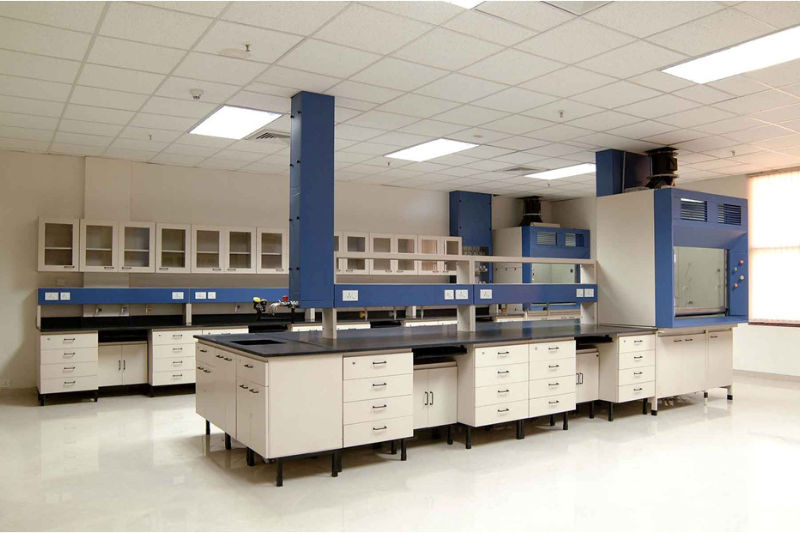
One of the most critical elements of a well-designed laboratory is lab furniture. High-quality laboratory furniture helps create organized, safe, and efficient workspaces where students and educators can perform experiments comfortably and securely. Modern educational institutions now focus on installing durable, ergonomic, and chemical-resistant furniture solutions that meet safety standards while supporting practical learning activities.
From science lab tables and storage cabinets to workstations and seating solutions, educational lab furniture is designed to improve functionality, maximize space utilization, and ensure long-term durability. Choosing the right lab furniture is essential not only for operational efficiency but also for maintaining a safe learning environment.
In this blog, we will explore the importance of lab furniture, key features to consider, different types of laboratory furniture, and how modern lab setups improve educational experiences.
Why Lab Furniture Is Important in Educational Institutes
Laboratories involve practical work that requires safe and organized environments.
Benefits of Quality Lab Furniture
- Improves laboratory safety
- Enhances work efficiency
- Supports practical learning
- Increases durability and functionality
- Creates organized workspaces
Modern educational institutes prioritize well-designed laboratory environments to support both student learning and safety standards.
The Role of Laboratory Furniture in Safety
Safety is one of the most important concerns in educational laboratories.
Why Safety-Focused Furniture Matters
- Prevents accidents
- Supports safe chemical handling
- Reduces clutter
- Provides stable work surfaces
Well-designed chemical resistant furniture helps protect students and educators during experiments and technical activities.
Essential Types of Lab Furniture
1. Science Lab Tables
Science lab tables are the foundation of every laboratory setup.
Features of Quality Science Lab Tables
- Strong construction
- Chemical-resistant surfaces
- Spacious work areas
- Heat-resistant materials
These tables are designed to handle practical experiments safely and efficiently.
Where Science Lab Tables Are Used
- Chemistry laboratories
- Biology labs
- Physics labs
- Research centers
- Technical institutes
2. Lab Storage Cabinets
Proper storage is essential in laboratories to maintain organization and safety.
Benefits of Lab Storage Cabinets
- Organized storage of chemicals and tools
- Improved safety management
- Reduced workspace clutter
- Easy equipment accessibility
Storage cabinets help laboratories maintain efficient and safe working conditions.
Types of Lab Storage Cabinets
Chemical Storage Cabinets
Designed for storing hazardous chemicals safely.
Glassware Storage Cabinets
Used for laboratory glassware and equipment organization.
Instrument Cabinets
Protect sensitive laboratory instruments and tools.
3. Laboratory Workstations
Modern laboratories often include dedicated workstations for students and researchers.
Features of Lab Workstations
- Spacious working surfaces
- Technology integration
- Ergonomic design
- Durable construction
Workstations support practical learning and collaborative activities.
4. Chemical Resistant Furniture
Laboratories frequently involve exposure to chemicals, liquids, and heat.
Why Chemical Resistance Is Important
- Protects surfaces from corrosion
- Increases furniture lifespan
- Maintains safety standards
Chemical resistant furniture is essential in:
- Chemistry labs
- Pharmaceutical institutes
- Research laboratories
5. Laboratory Seating Solutions
Comfortable seating improves concentration and practical learning efficiency.
Features of Good Laboratory Seating
- Adjustable height
- Ergonomic support
- Stable design
- Durable materials
Lab seating should support long practical sessions comfortably and safely.
Key Features to Look for in Educational Lab Furniture
1. Durability
Laboratory furniture experiences heavy daily use and exposure to chemicals and equipment.
Important Durability Features
- Strong steel frames
- Scratch-resistant surfaces
- Heat-resistant materials
- Corrosion-resistant coatings
Durable furniture ensures long-term performance and cost efficiency.
2. Safety Standards
Laboratories must comply with safety requirements.
Safety Features Include
- Rounded edges
- Stable structures
- Fire-resistant materials
- Chemical-resistant surfaces
Safe furniture reduces risks during practical activities and experiments.
3. Space Efficiency
Educational institutes need organized laboratory layouts to maximize functionality.
Benefits of Efficient Layouts
- Better movement flow
- Organized work areas
- Improved classroom management
Compact and modular lab furniture supports efficient space utilization.
4. Ergonomic Design
Students and educators often spend several hours performing practical work.
Benefits of Ergonomic Furniture
- Better posture support
- Reduced physical strain
- Improved productivity
Ergonomic workstations improve comfort and focus during laboratory sessions.
5. Easy Maintenance
Laboratory environments require regular cleaning and maintenance.
Maintenance-Friendly Features
- Smooth surfaces
- Stain-resistant materials
- Easy-to-clean finishes
Low-maintenance furniture helps maintain hygiene and professionalism.
Best Materials Used in Laboratory Furniture
1. Stainless Steel
Stainless steel is one of the most commonly used laboratory furniture materials.
Advantages
- Corrosion resistance
- Excellent durability
- Easy cleaning
- Chemical resistance
2. Epoxy Resin Surfaces
Epoxy surfaces are ideal for laboratories involving chemical experiments.
Benefits
- Heat resistance
- Chemical resistance
- Smooth finish
3. Engineered Wood
Engineered wood is often used for dry laboratories and educational workstations.
Advantages
- Affordable
- Stylish appearance
- Lightweight design
4. Powder-Coated Metal Frames
These frames offer:
- Rust resistance
- Strong structural support
- Long-lasting performance
How Modern Lab Furniture Improves Educational Experiences
Practical learning environments significantly affect student engagement and skill development.
Benefits of Modern Laboratory Furniture
- Better practical learning support
- Organized experimental setups
- Improved student safety
- Enhanced collaboration
Modern labs create professional environments that encourage scientific exploration and innovation.
Importance of Organized Laboratory Spaces
A clutter-free and organized laboratory improves both safety and efficiency.
Benefits of Organized Labs
- Easier equipment access
- Reduced accident risks
- Improved workflow
- Better supervision
Proper furniture layouts help institutions manage laboratory operations more effectively.
Tips for Choosing the Right Lab Furniture
1. Assess Laboratory Requirements
Different laboratories require different furniture solutions.
2. Prioritize Safety
Choose furniture that complies with laboratory safety standards.
3. Invest in Durable Materials
Long-lasting materials reduce replacement and maintenance costs.
4. Focus on Ergonomics
Comfortable workstations improve practical learning experiences.
5. Consider Future Expansion
Flexible furniture solutions support evolving laboratory requirements.
Common Mistakes to Avoid When Buying Lab Furniture
1. Ignoring Chemical Resistance
Regular furniture may deteriorate quickly in laboratory environments.
2. Choosing Low-Quality Materials
Weak materials reduce durability and compromise safety.
3. Poor Space Planning
Improper layouts create inefficient and crowded workspaces.
4. Ignoring Maintenance Requirements
Difficult-to-clean furniture increases operational challenges.
Modern Trends in Educational Laboratory Furniture
Educational institutions are modernizing laboratories to support advanced learning methods.
Current Trends Include
- Smart laboratory workstations
- Modular lab furniture
- Technology-integrated setups
- Sustainable materials
- Flexible laboratory layouts
Modern laboratories now focus on both functionality and aesthetics.
Why Educational Institutes Should Invest in Quality Lab Furniture
Furniture is a critical part of laboratory infrastructure.
Benefits of Investing in Quality Furniture
- Better student safety
- Enhanced learning environments
- Long-term durability
- Improved institutional reputation
Professional laboratory setups create positive educational experiences and support academic excellence.
The Future of Educational Laboratories
Future laboratories will increasingly focus on:
- Smart technologies
- Collaborative workspaces
- Digital integration
- Sustainable materials
- Flexible learning environments
Furniture design will continue evolving to support advanced educational and scientific needs.
Conclusion
Lab furniture plays a vital role in creating safe, organized, and efficient educational laboratories. From science lab tables and storage cabinets to chemical resistant furniture and ergonomic workstations, high-quality laboratory furniture supports practical learning, student safety, and long-term institutional efficiency.
Educational institutes that invest in durable and modern educational lab furniture create environments that encourage innovation, experimentation, and academic growth. Well-designed laboratory spaces not only improve functionality but also help students gain better practical learning experiences in safe and professional settings.
Upgrade Your Educational Space with Quality Furniture
Looking for durable and modern classroom furniture for your school or college? Connect with trusted experts for customized educational furniture solutions designed for comfort, functionality, and long-term use.
📍 Address:
1st floor, 688, Budhwar peth, Laxmi Chayya Building, Bajirao Rd, Pune, Maharashtra 411002
📞 Contact:
+91 8530099024 | +91 9822438290 | +91 9850601038 | +91 7875166624
🌐 Website:
www.vardhamantrading.com